Understanding Short Cycling in HVAC Systems
Definition and Causes of Short Cycling
Short cycling refers to the phenomenon where an HVAC system turns on and off in short intervals, failing to complete a full heating or cooling cycle. This behavior not only disrupts the comfort levels in a home but can also lead to significant wear and tear on the system. The primary causes of short cycling include improper HVAC sizing, faulty thermostats, and issues with the ductwork or refrigerant levels. When an HVAC unit is too large for the space it serves, it heats or cools too quickly, causing it to shut off before it can adequately circulate air.
Common Symptoms of Short Cycling
Recognizing the symptoms of short cycling can help homeowners take corrective action before more serious issues arise. Common indicators include:
- Frequent On/Off Cycling: The HVAC system turns on and off every few minutes rather than running for the standard 15-20 minutes.
- Inconsistent Temperatures: Rooms may feel too hot or too cold, indicating that the system is not effectively regulating the indoor climate.
- Increased Energy Bills: Homeowners may notice a spike in energy costs due to the constant cycling of the system.
- Unusual Noises: The system may produce more noise than usual as components work harder to compensate for inadequate performance.
Impact of Short Cycling on Energy Efficiency
Short cycling negatively impacts energy efficiency, as it forces an HVAC unit to work harder than necessary. A system that frequently turns on and off consumes more energy than one that operates steadily. According to the U.S. Department of Energy, short cycling can increase energy consumption by up to 30%. This inefficiency not only leads to higher utility bills but also contributes to a greater carbon footprint, making it an environmental concern as well.
The Importance of Proper HVAC Sizing
What is HVAC Sizing?
HVAC sizing is the process of determining the appropriate size of an HVAC system required to maintain comfortable indoor temperatures in a specific space. This calculation involves assessing various factors, including the square footage of the home, the local climate, insulation levels, and the number of occupants. Proper HVAC sizing ensures that the system can effectively meet the heating and cooling demands without causing undue strain on its components.
Factors Influencing HVAC Size Requirements
Several factors influence the size requirements for an HVAC system:
- Home Size: The larger the home, the more heating or cooling capacity is needed.
- Insulation Quality: Homes with poor insulation will require a larger system to compensate for heat loss or gain.
- Climate Zone: Areas with extreme temperatures may necessitate more robust systems to ensure year-round comfort.
- Window Placement: The number and quality of windows can significantly affect heat gain and loss, impacting system sizing.
- Ceiling Height: Higher ceilings may require additional capacity to heat or cool effectively.
Consequences of Incorrect HVAC Sizing
Incorrectly sized HVAC systems can lead to various problems, including:
- Short Cycling: As previously discussed, oversized units cycle on and off too frequently.
- Increased Wear and Tear: Constant cycling puts unnecessary stress on system components, leading to premature failures.
- Poor Air Quality: Improperly sized systems may fail to circulate air adequately, allowing pollutants and allergens to accumulate.
- Uncomfortable Living Conditions: An undersized system struggles to maintain temperatures, resulting in discomfort for occupants.
How Proper Sizing Reduces Short Cycling
Optimal Run Time for HVAC Units
Properly sized HVAC systems run optimally, allowing for longer, more efficient cycles. Ideally, an HVAC unit should operate for 15-20 minutes at a time to effectively condition the air. This extended run time allows the system to reach the set temperature gradually while promoting better airflow throughout the home. For example, if a central air conditioning unit is rated at 3 tons for a 1,500 square-foot home, it can maintain comfortable temperatures without resorting to frequent cycling.
Balancing Heating and Cooling Loads
Proper sizing ensures that heating and cooling loads are balanced, leading to enhanced efficiency. An HVAC system must be able to meet the specific demands of each room based on factors like sunlight exposure, occupancy, and appliance heat output. For instance, a living room with large south-facing windows may require more cooling capacity than a shaded bedroom. A system that is sized correctly can adapt to these variations, maintaining comfort without short cycling.
Enhancing Comfort Levels in Your Home
When HVAC systems are properly sized, they maintain consistent temperature levels throughout the home, enhancing overall comfort. Homeowners can expect a more stable environment, reducing the likelihood of hot or cold spots. Additionally, a well-sized system lowers humidity levels, contributing to a more pleasant indoor atmosphere. For example, a properly sized dehumidifier in a humid climate can effectively remove excess moisture without short cycling, enhancing comfort during the summer months.
Methods for Accurate HVAC Sizing
Manual J Calculation Explained
The Manual J calculation is a standardized method used by HVAC professionals to determine the heating and cooling load requirements of a home. This calculation takes into account factors such as square footage, insulation levels, window orientation, and local climate data. By using the Manual J method, HVAC technicians can accurately assess the necessary system size, reducing the risk of short cycling and ensuring optimal performance. For instance, a home with an estimated load of 30,000 BTUs will require a system capable of delivering that amount without excessive cycling.
Utilizing HVAC Sizing Software Tools
In addition to Manual J calculations, many HVAC professionals employ sophisticated software tools to enhance accuracy in sizing systems. These programs simulate various scenarios, considering real-time data and building characteristics to provide a precise HVAC size recommendation. Tools like Wrightsoft and Cool Calc allow contractors to input specific parameters and receive detailed reports on the required system specifications, minimizing the chances of short cycling.
The Role of Professional HVAC Technicians
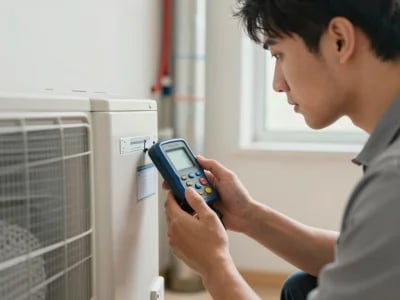
Engaging a qualified HVAC technician is crucial for accurate sizing and installation. Professionals bring expertise and experience to the table, ensuring that all factors are considered during the sizing process. They can perform Manual J calculations, utilize advanced software tools, and provide insights based on local climate and building codes. For example, a reputable HVAC contractor will not only assess the size of the unit but will also evaluate ductwork and insulation to ensure a comprehensive approach to the heating and cooling needs of the home.
Preventive Maintenance and Regular Inspections
Importance of Routine HVAC Check-Ups
Regular HVAC maintenance is essential for ensuring that systems operate effectively and efficiently. Routine check-ups can identify potential issues, such as refrigerant leaks or airflow restrictions, that may contribute to short cycling. According to the U.S. Department of Energy, homeowners should schedule maintenance at least once a year for heating and cooling systems. This proactive approach can extend the lifespan of the equipment and prevent costly repairs.
Identifying Signs of Inadequate Sizing
During routine inspections, HVAC technicians can spot signs of inadequate system sizing, including short cycling. By monitoring system performance, they can determine if the unit is appropriately sized for the space. Homeowners should also be vigilant about noticing symptoms like fluctuating temperatures and increased energy bills, which may indicate a sizing issue. If such signs are identified, seeking professional advice is critical to address the problem before it exacerbates.
Long-Term Benefits of Proper HVAC Maintenance
Investing in regular HVAC maintenance not only prevents short cycling but also leads to long-term benefits, including:
- Improved Energy Efficiency: Well-maintained systems operate more efficiently, reducing energy costs.
- Extended Equipment Lifespan: Regular check-ups can prolong the lifespan of the HVAC system, delaying the need for a costly replacement.
- Enhanced Indoor Air Quality: Maintenance helps ensure that air filters are clean and components are functioning correctly, promoting healthier indoor air.
- Increased Home Comfort: A well-maintained HVAC system consistently provides comfortable temperatures, improving overall satisfaction for occupants.